
We are a Virtuoso Member travel agency. If you book through us, we may earn compensation from the hotel or travel supplier (typically at no additional cost to you). We recommend properties based on your style of travel and our professional judgment, never on compensation.
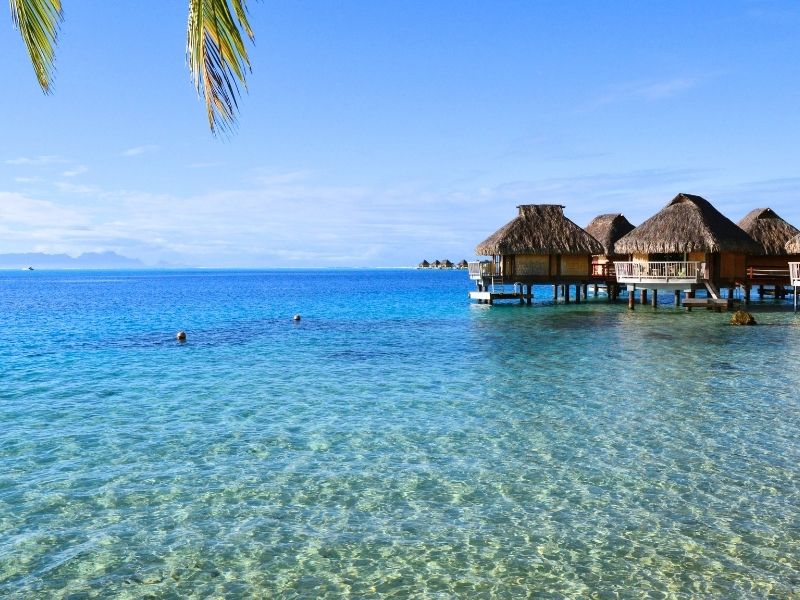
Every photograph you’ve seen of French Polynesia was taken on a perfect day. The lagoon impossibly turquoise. The sky cloudless. The light golden and warm. What those images don’t tell you is that French Polynesia has seasons, weather patterns, and optimal windows for different experiences. Choosing the best time to visit French Polynesia, Tahiti, and Bora Bora depends entirely on what you want from your trip.
Book your next stay through our club to unlock special complimentary perks at no additional cost, while a portion of every stay supports philanthropic causes.BTA Luxury Travel Club
EXCLUSIVE AMENITIES WORTH $550+/STAY*
VIP recognition at check-in and exclusive experiences
Preferred rates and availability
Breakfast credit or daily breakfast for two
Hotel, spa, or dining credits
Priority for upgrades, early check-in and late check-out
Thoughtful pre-arrival planning
*Benefits apply to eligible bookings, average value based on a typical two-night stay. Varies by property and dates.
The good news: there’s no truly bad time to visit. The islands are beautiful year-round, and even the “wet season” delivers far more sunshine than most travelers expect. But understanding the seasonal rhythms helps you align your trip with the experiences that matter most to you, whether that’s swimming with humpback whales, diving crystal-clear passes, attending Polynesia’s most important cultural festival, or simply finding the best balance of weather and value.
Understanding the Two Seasons

French Polynesia’s climate divides into two broad seasons, both considerably milder than the extremes visitors might expect from a tropical destination.
Dry Season: May Through October
The dry season, known locally as the austral winter, brings the most reliably pleasant conditions. Temperatures average 75 to 82°F (24 to 28°C), humidity drops to comfortable levels, and rainfall is less frequent. Trade winds blow steadily from the east and southeast, keeping the air fresh and the seas relatively calm.
This is peak tourist season for good reason. Days are consistently sunny, water visibility for diving and snorkeling reaches its best, and the conditions align with what travelers picture when they imagine French Polynesia. It’s also when humpback whales migrate through Polynesian waters (July through November), creating extraordinary wildlife encounters, particularly around Mo’orea.

The tradeoff: higher demand means higher prices and busier resorts. Popular properties like the Four Seasons Bora Bora and The Brando book months in advance during peak season. Flights on Air Tahiti Nui fill quickly, and inter-island connections on Air Tahiti require advance planning.
Wet Season: November Through April
The wet season, or austral summer, brings warmer temperatures (80 to 90°F / 27 to 32°C), higher humidity, and more frequent rainfall. But “wet season” in French Polynesia rarely means all-day tropical downpours. More typically, brief afternoon showers roll through, clearing within an hour and leaving behind dramatic cloud formations and spectacular light.
Some travelers specifically prefer this season. The islands are greener and more lush. Crowds thin considerably after the December/January holiday rush. Resort rates drop, sometimes significantly. And the rain itself can be beautiful: watching a squall sweep across the lagoon from your overwater bungalow deck, then clear to reveal a rainbow arcing over Mount Otemanu, is a memory that stays with you.
The tradeoffs: humidity can feel oppressive, particularly in January and February. Occasional tropical storms (though rarely direct cyclone hits) can disrupt travel plans. Diving visibility decreases somewhat due to runoff after heavy rains. And the whale season has ended, so those encounters aren’t available.
Month-by-Month Guide
January and February
The heart of the wet season. Warmest temperatures, highest humidity, and most frequent rainfall. Tropical storm risk is at its peak, though direct hits remain rare. Rates are lower, crowds are minimal outside of specific resort events. Best for: budget-conscious travelers comfortable with weather variability, those seeking solitude, and anyone who runs hot and doesn’t mind tropical warmth.
March and April
Transition months as the wet season winds down. Rain becomes less frequent, humidity begins to moderate. April, in particular, offers an excellent sweet spot: improving conditions, lower rates than peak season, and thinner crowds. The shoulder season begins. Best for: value seekers who want good weather without peak pricing.
May and June
The dry season begins in earnest. Trade winds establish their steady pattern. Humidity drops. Skies clear. May remains somewhat shoulder season for pricing, making it one of the best overall values in the calendar. June sees crowds and rates increase as peak season takes hold. Best for: travelers who want peak-season weather with slightly better availability and rates (May) or those prioritizing ideal conditions regardless of cost (June).
July
Peak season in full swing, with one major addition: Heiva i Tahiti. This month-long cultural festival is the most important event in the Polynesian calendar, featuring traditional dance competitions, music, sports, and celebrations across the islands. If experiencing authentic Polynesian culture matters to you, planning around Heiva transforms your trip. Humpback whales begin arriving in Polynesian waters. Best for: culture enthusiasts, travelers who want to experience Polynesia at its most vibrant, and those beginning to time whale encounters.

August and September
Prime whale watching season. Humpbacks are reliably present, particularly around Mo’orea, which has become one of the world’s premier destinations for swimming with these gentle giants. Weather remains excellent: dry, comfortable, and consistent. These are arguably the best overall months for a first visit to French Polynesia. The Hilton Moorea Lagoon Resort & Spa and Sofitel Moorea Kia Ora offer easy access to whale excursions. Best for: whale encounters, optimal overall conditions, and travelers who prioritize weather certainty.
October and November
The shoulder season returns. October remains solidly dry season with whale watching still possible (though encounters become less reliable as the month progresses). November sees the transition to wet season begin, with increasing humidity and occasional afternoon showers. Rates start to soften. Crowds thin. Best for: value-focused travelers who want good conditions, those hoping to catch the tail end of whale season (October), or visitors who don’t mind occasional rain in exchange for lower prices and fewer tourists (November).
December
A tale of two halves. Early December offers wet-season conditions with moderate crowds. Then the holiday rush arrives: Christmas through New Year’s brings peak demand, peak pricing, and resorts booked to capacity. If you’re planning a holiday trip, book as far in advance as possible. If you’re flexible, early December delivers wet-season value before the holiday surge. Best for: holiday travelers willing to pay premium rates, or strategic early-December visitors seeking lower prices.
Timing Your Trip to Special Experiences
Whale Watching: July Through November
Humpback whales migrate to French Polynesian waters to breed and calve, and the opportunity to swim alongside these magnificent creatures has become one of the region’s most sought-after experiences. Mo’orea is the epicenter, with strict regulations ensuring ethical, low-impact encounters. August and September offer the most reliable sightings, though whales are present from July through November. If whale encounters are a priority, build your trip around these months.
Diving: May Through October
French Polynesia offers world-class diving year-round, but visibility peaks during the dry season when reduced rainfall means less runoff and sediment. The Tuamotu atolls (Rangiroa, Fakarava, Tikehau) are legendary among divers, and the famous passes deliver their best visibility from May through October. Manta ray encounters are possible year-round, while specific shark aggregations in Fakarava peak in June and July. The InterContinental Bora Bora Resort & Thalasso Spa operates an excellent on-site dive center for those basing from Bora Bora.
Heiva Festival: July
Heiva i Tahiti is not a tourist event. It’s the most important cultural celebration in French Polynesia, a month-long festival where islanders compete in traditional dance, singing, sports, and crafts. The main competitions take place in Papeete at Place To’ata, but events occur across the islands. Attending Heiva offers a window into authentic Polynesian culture that casual visitors rarely experience. The Tahiti Tourism Board publishes the festival schedule each year.
Surfing: November Through March
While most travelers avoid wet season, surfers seek it out. The southern hemisphere’s summer brings larger swells to Polynesia’s reef breaks. Teahupo’o, on Tahiti’s southwest coast, is one of the world’s most famous and fearsome waves, best left to experts. But other breaks around Tahiti, Mo’orea, and Huahine offer more approachable conditions. If surfing is your focus, wet season delivers the waves.
Strategic Planning: Balancing Weather, Crowds, and Budget
The best time to visit French Polynesia, Tahiti, and Bora Bora ultimately depends on your priorities. Here’s how to think about the tradeoffs:
For the best weather with budget flexibility: Target May or October. These shoulder months offer dry-season conditions with somewhat lower demand and better rates than peak season.
For whale encounters: August or September, no question. Build your itinerary around Mo’orea.
For cultural immersion: July, to experience Heiva. Include time on Tahiti, where the main events occur.
For maximum value: Late March through April, or November. Wet season’s tail end or beginning offers lower rates, thinner crowds, and often perfectly acceptable weather.
For diving: June through September, when visibility peaks and conditions in the Tuamotus are optimal.
For honeymoons and special occasions: Whenever is meaningful to you, but understand the tradeoffs. Peak season (June through September) delivers the most reliable conditions. Shoulder seasons offer value. Wet season requires flexibility and acceptance that not every day will be postcard-perfect.
Practical Notes for Planning
Book early for peak season. The best overwater bungalows at top resorts (Le Taha’a by Pearl Resorts, Four Seasons, Conrad) book six to twelve months in advance for July through September travel. Through Luxury Travel Clubs and Virtuoso partnerships, a travel advisor can sometimes access inventory and amenities not available to direct bookers.
Consider multi-island itineraries. Weather can vary between islands. The Tuamotus tend to be drier than the Society Islands. Building variety into your itinerary hedges against localized weather patterns.
Check entry requirements. French Polynesia is an overseas collectivity of France. U.S. citizens can visit for up to 90 days without a visa. Current requirements are available through the U.S. Department of State.
Remember that seasons are reversed. French Polynesia is in the Southern Hemisphere. When it’s winter in North America and Europe, it’s summer in Tahiti. This catches some travelers off guard when planning around holidays.
The Bottom Line

French Polynesia delivers extraordinary beauty in every season. The question isn’t whether to go, but how to align your visit with what matters most to you. Whale encounters require specific timing. Diving visibility favors the dry season. Cultural immersion peaks in July. Budget optimization points toward shoulder months.
The travelers who return most transformed by French Polynesia, Tahiti, and Bora Bora are those who planned with intention, understanding the rhythms of the destination rather than hoping for luck. That planning is exactly what a knowledgeable travel advisor provides: not just booking logistics, but strategic guidance on timing, island selection, and experience sequencing that transforms a trip from good to unforgettable.
Ready to find your perfect window? Let’s plan your French Polynesia journey together.
Additional Recommended Reading
Continue exploring advisor-informed guidance and family focused luxury travel planning with related articles from our site:
- Best French Polynesia Hotels In Bora Bora, Moorea, Tahiti, and Tetiaroa
- World’s Most Breathtaking Luxury Destinations You Never Knew Existed
- Plan the Perfect Bora Bora Honeymoon And Include Tahiti and Moorea
—
Boutique Travel Advisors is a full-service, luxury travel agency. We specialize in creating bespoke itineraries for discerning clients around the world. Please visit our website or call 480-787-1477 to speak with a dedicated travel expert.
Are you planning an international or domestic trip? Check out our other articles to help you come prepared!
We highly recommend the purchase of travel insurance to protect your financial investment and health while traveling internationally. To purchase a policy with our preferred travel insurance company Arch RoamRight click here.
If you would like assistance purchasing a travel insurance policy, please get in touch with a BTA advisor.


